
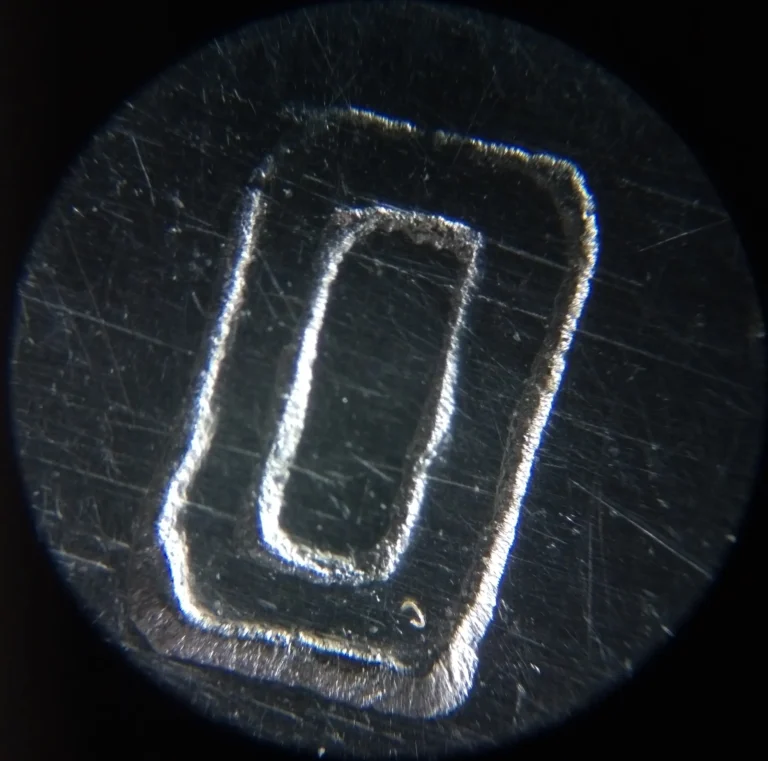
Microscopy: Numbers, Letters, and Fabric
I tried putting anything and everything under the microscope — results were fantastic. There is more to this world than we can ever discover. Every nook, every corner, every surface, every grain of sand has enough complexity and character to astound, and there are so many corners, nooks, and grains of sand. Yesterday, I had a frenzy of finding random samples and shoving them under the microscope. Here are the results. Might I say that they’re grand? Numbers Engraved on a Metal Tool A metal tool with the tiny code “007” engraved on the surface. Look at the symmetry and...
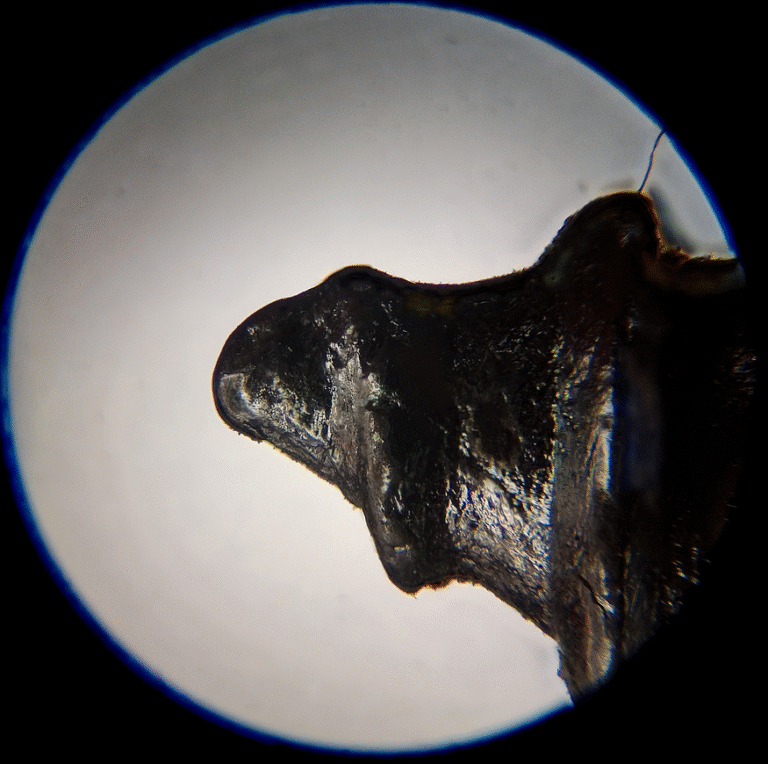
Microscopy: Nails, Bristles, and a Special Drawing
Enjoy the complexity of mundane, everyday objects under a microscope There is hidden detail and richness in almost everything. One way to catch a glimpse of that richness is to observe the objects under a high magnification. Going straight to the point, here are some arresting images and stacks of various tools, bristles, and a special drawing by yours truly. Various Tools The pointy tip of a generic screw. Looks a lot blunter than real life. Look at the metallic structure, the unevenness, how it has been worn and scratched with time. The light, the shadows, the detail, the small...
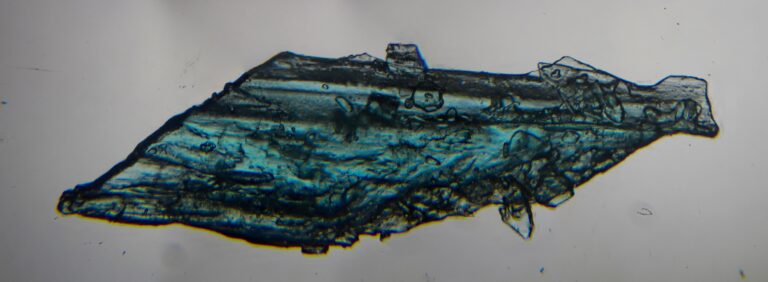
Microscopy: More Copper Sulfate Crystals
I viewed another batch of Copper Sulfate crystals under a light microscope, this time aiming for greater complexity and detail. This one's a bit overedited, especially with the color, but still fun, Both this and the previous image have been stacked and stitched. First, I took multiple images at different focus levels of different sections of the crystal, focus-stacked each set of images, and finally stitched all the stacked images together. One half of a crystal. All images were taken at 40x magnification under a compound light microscope. Images captured with a Canon EOS 1200D camera set to infinity, no...
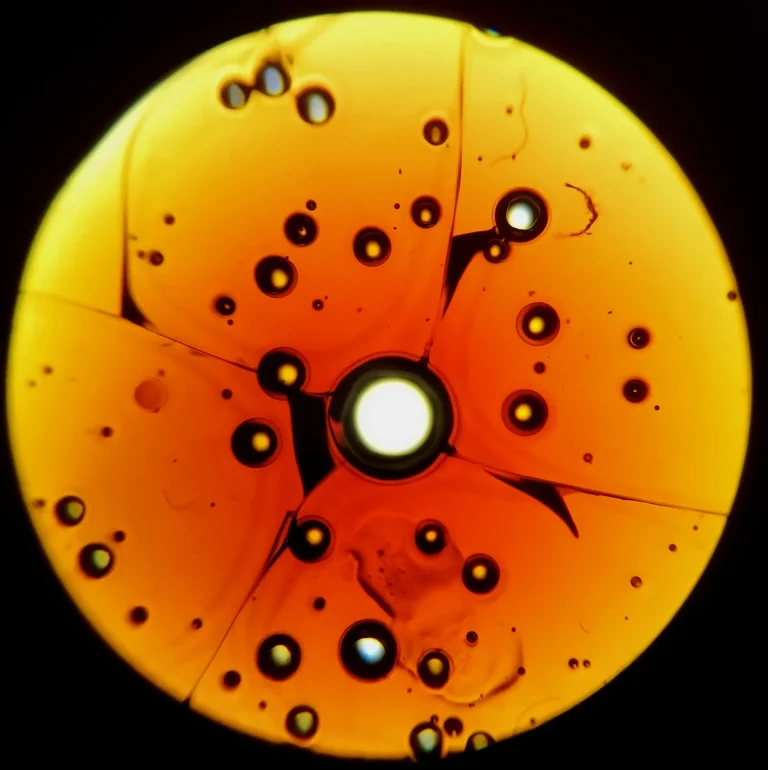
Microscopy: Melted Sugar Looks Like Aliens
Exotic, Otherworldly, and Bizarre Images of Melted Sugar Under the Microscope Yesterday, I was graced by another extraordinary microscopy session with peculiar and baffling results. The goal was to make crystals of various solutions by placing a drop on a slide and boiling it quickly over a spirit flame. This isn’t the best way to make crystals, but it’s fast. This time, however, everything went wrong, and boy, do I have some stories to tell. The first is sugar. The sugar solution I made boiled and boiled but birthed no crystals. It was quite perplexing until all the water was...
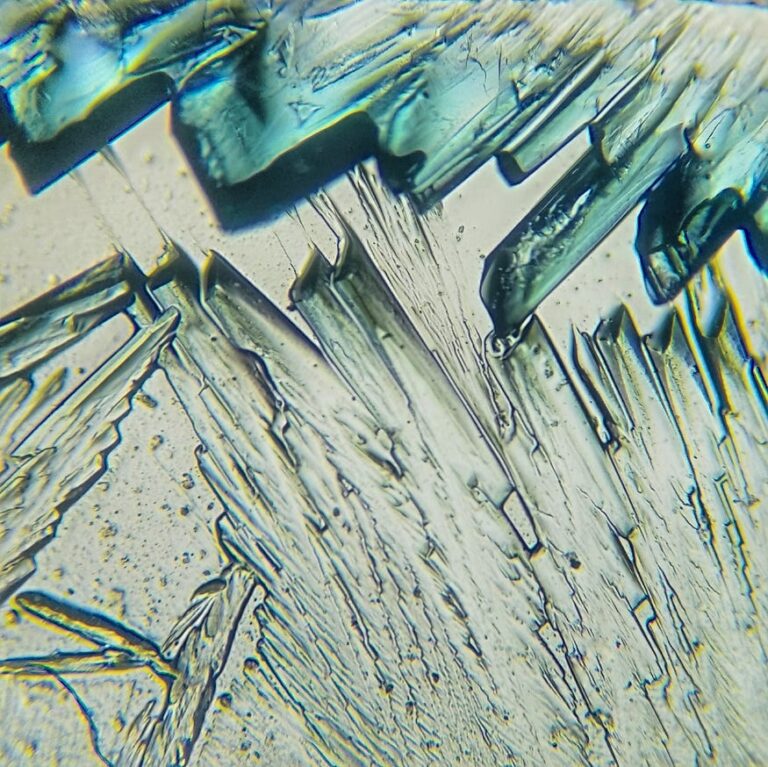
Microscopy: Flame-Dried Crystals
Exotic, otherworldly Copper Sulfate crystals under the microscope Crystals are amazing. They were the whole reason I took up microscopy in the first place. My very first microscopy specimens were homemade crystals of various compounds, and they were immensely rewarding. Since then, however, I’ve strayed quite a bit from crystal making and leaned into some unconventional microscopy. Microscopes, anyone will agree, are dope and it’s difficult to resist the temptation to put anything and everything under its prying lenses. Nevertheless, a return to basics is long overdue. Today, I have for you, recrystallized copper sulfate crystals (again). Specimen, recrystallized copper...
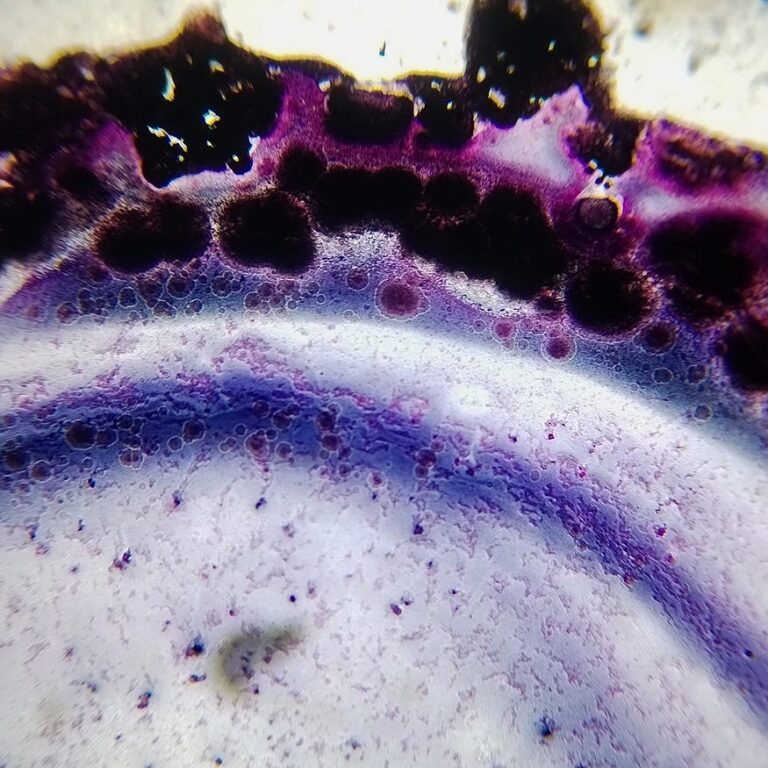
Microscopy: Fake Saffron
Colorful, vibrant, fake, and sometimes purple Saffron under the microscope I needed dye for a project; when I asked my mother if we had food coloring at home, she handed me a small box and said it was saffron (zafran, in Bangla). Saffron is the most expensive spice in the world, but thankfully, you can find cheap fakes of anything in Bangladesh. Inside the box was a powder, bright red-orange, odorless, and meant to be used as a food coloring. Unfortunately, it wasn’t a suitable dye for my project, and I’m sure it’s not real Saffron either. However, it, surprisingly,...
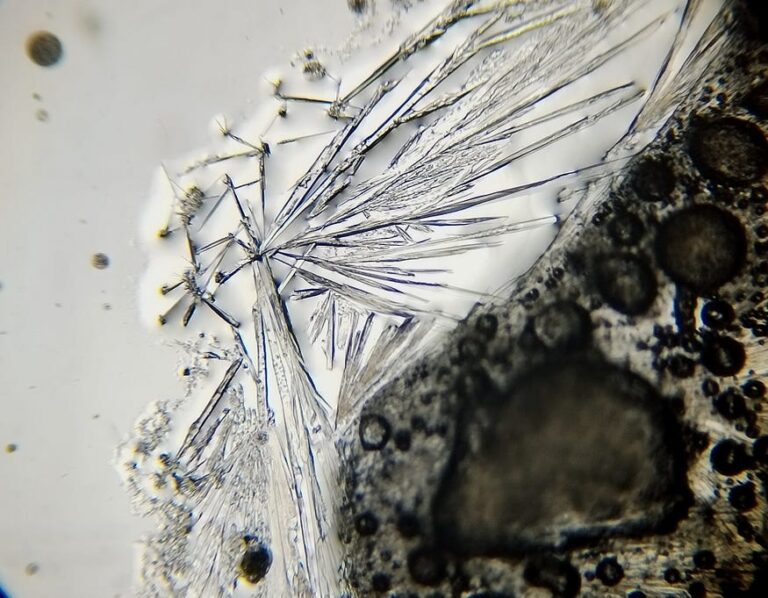
Microscopy: Diseased Sodium Hydroxide
Intricate and Mesmerizing Suppurations of Sodium Hydroxide at the Microscopic level Good evening. I wish ya’ll peace and blessings. Feeling a bit under the weather today, and that goes well with the theme. A few weeks back I had an amazing microscopy run; but every run, every family, every group has an outcast. I tried flame-drying a solution of Sodium Hydroxide but instead of exotic crystals, it formed a scum. A grey debris field that wasn’t pleasant, but nor was it unloveable. Today, I have for you, suppurations of Sodium Hydroxide. Bubbles erupting out of the solution as all the...
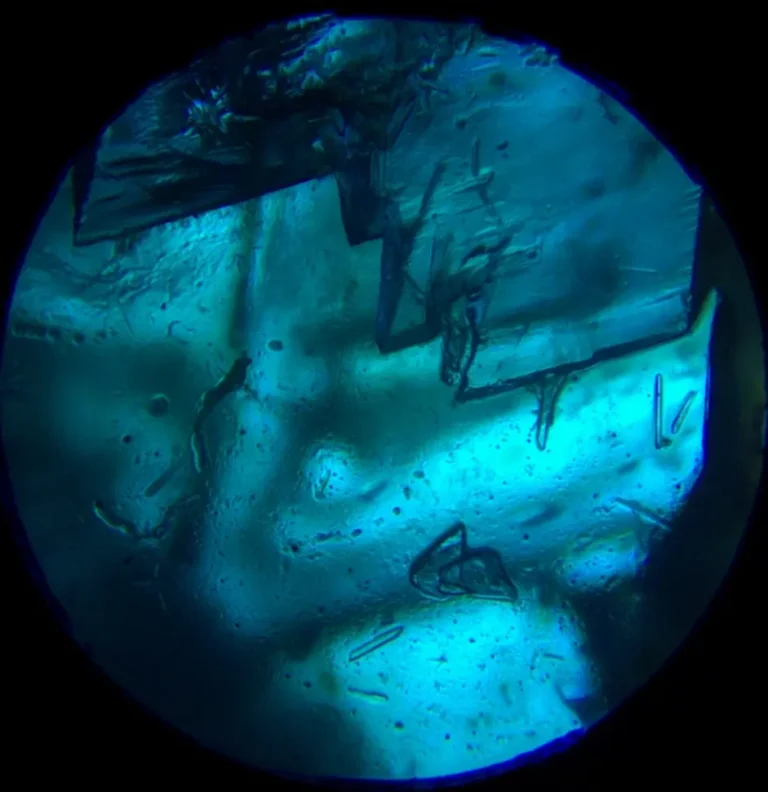
Microscopy: Copper Sulfate Crystals and Foam (Revisited)
I focus stacked my images- the results were clear, vivid, and spectacular I just fixed the biggest (microscopy-related) problem of my life. One of my major pain points with microscopy is the low depth of field. Biological optical microscopes are simply not made for large or thick specimen, and some of the samples I was dying to observe were both (relatively) large and thick. I have observed various crystals, some of them brilliant, and miscellaneous household objects, and while the results were intriguing, they all suffered from this issue. But no more. Focus stacking is a technique used to artificially...
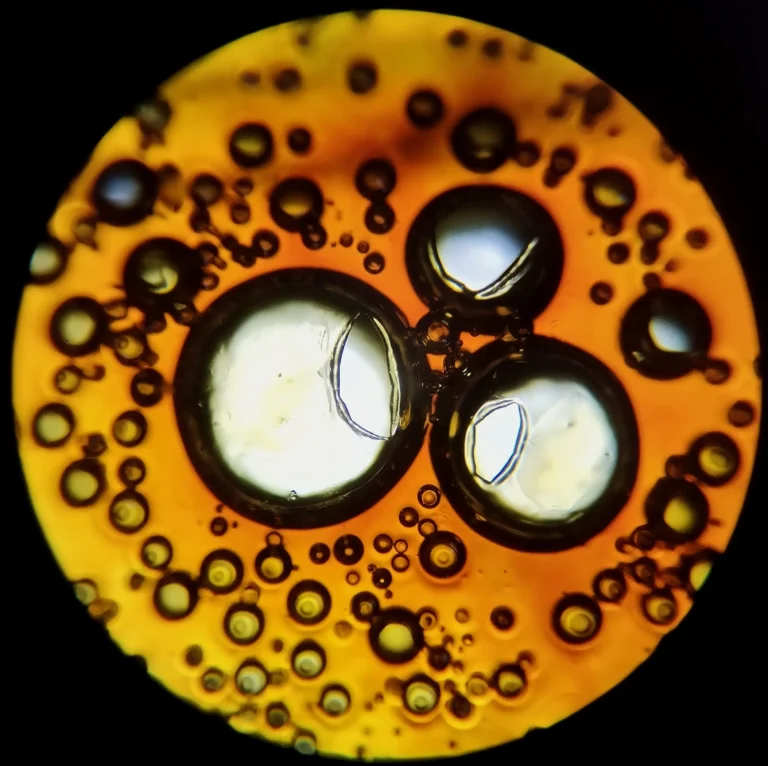
Microscopy: Burnt Honey is Lava
Burnt Honey is Blazingly Marvelous under the Microscope Last week, I had one of the most wonderful and memorable microscopy sessions of my life where nothing went to plan, but everything turned out great in the end. I’ve told one part of that story already. This is part two, and it’s as sweet as the first. This story is about honey. Taking inspiration from a Discord friend, I tried making crystals of honey. The regular procedure is to dissolve honey in water and allow it to slowly evaporate and crystallize. I didn’t want to wait, so I placed a drop...
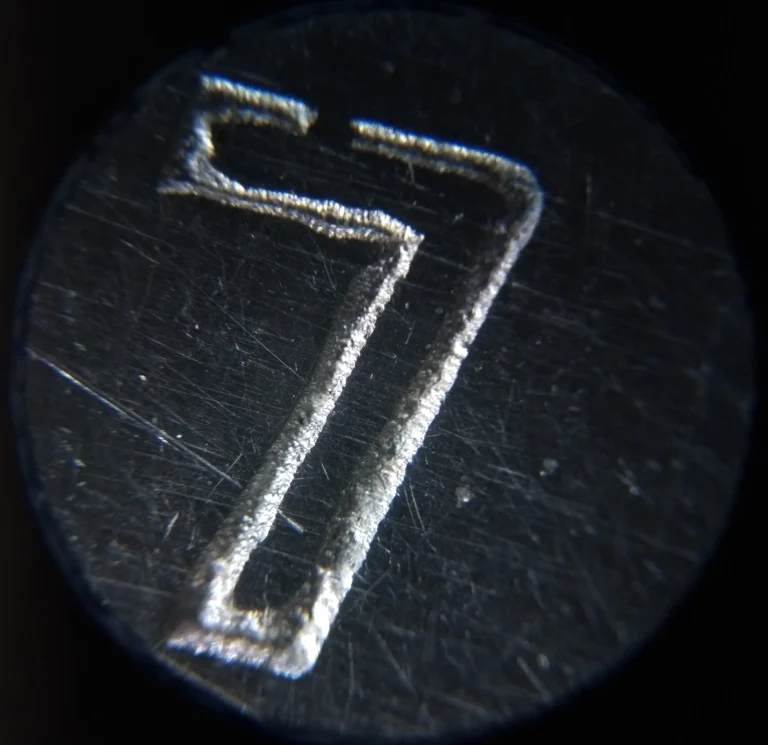
Microscopy Highlights: June and July
Reviewing the Top Microscopy Images of the Month(s) Another two months gone, another batch of microscopy articles. Some solid candidates this time. I’m at the prime of my life, and times are good. I wonder how I will feel about passing time when one or both of them are no longer true. Numbers, Letters, and Fabric I had a frenzy of finding random samples and shoving them under the microscope. Look at the symmetry and the asymmetry. The ridges, the rough edges, the shiny scratches. Look at how the peaks are more pronounced at the bottom and worn down near...
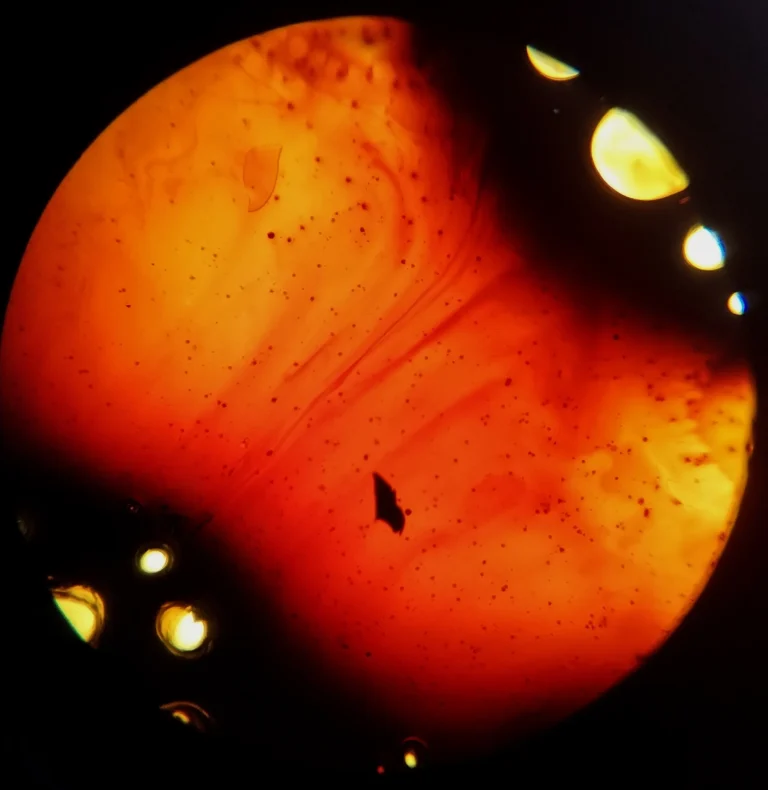
Microscopy Highlights: February and March!
Enjoy the most marvelous and Awe-inspiring Microscopy Images of the Month(s) I love quiet reflection. It’s always good to sit back and reminisce (positively) on bygones, cherish the fond memories, and learn from the mistakes. To that end, I have curated a gallery of some of the best pictures and moments from the last two months of microscopy. There are some spectacular candidates this time around (and some never-before-seens) so stick around! Please enjoy. Meta data provided at the end. Fake Saffron Tried making crystals of Saffron-flavored food coloring. It was vivid and colorful. Look at those yellow petals. Watch...
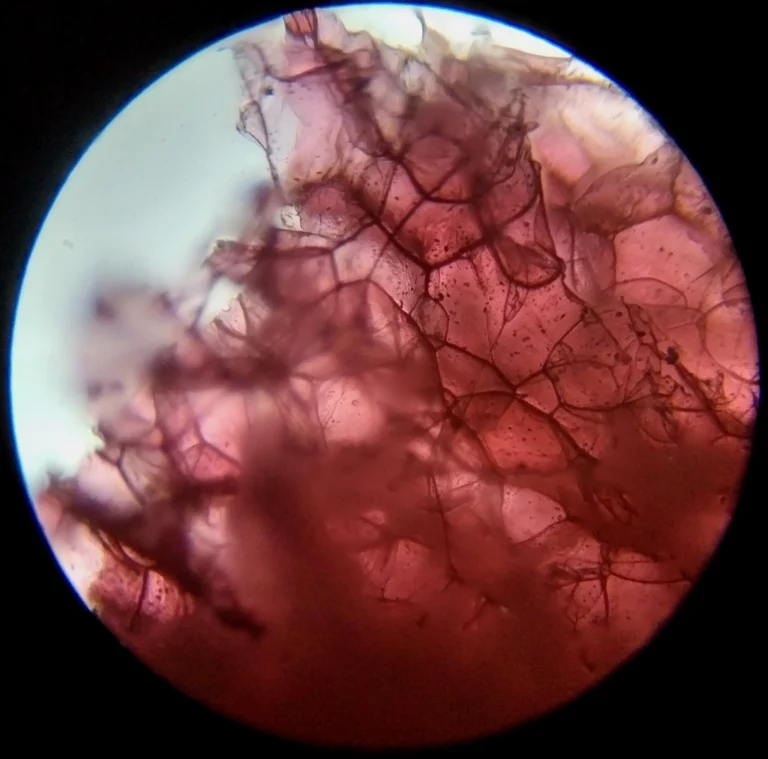
Microscopy Highlights: April and May!
Reviewing the Top Microscopy Images of the Month(s) I love these bi-monthly reviews. They help me get a grip on how far I have come and how far I can still go. I’ll go straight to the point. Here are the best microscopy images, as nominated by me, from my articles of the past two months. Dual Crystal Delight This was before my phone stand and focus stacking, and in hindsight, the images don’t hold up as well as they did. You get used to equipment a bit too quickly. Sample: I reacted Copper Sulfate with Sodium Chloride and left...
Microscopy DeepDive: Stains
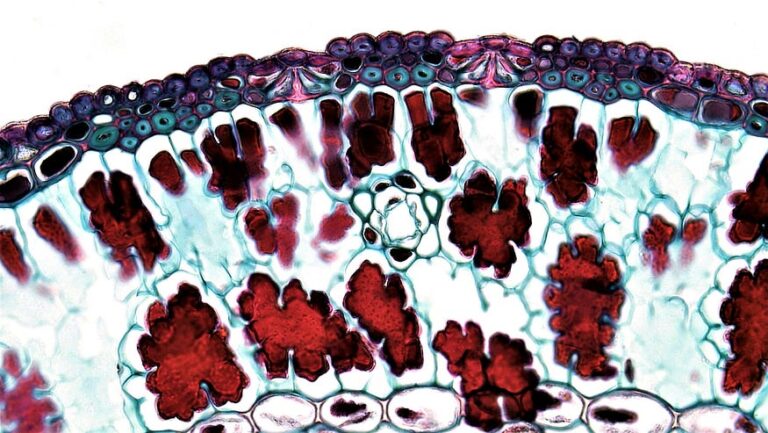
A Brief Overview of the History, Use, and Mechanism of Stains I recently invested in microscopy stains. Some 100 mLs of Lugol’s Iodine and Methylene Blue, nothing too fancy. They got me thinking about microscopy stains as a whole, and, diving into it, they’re fascinating. I want to share some of my findings here. Photo by Fayette Reynolds M.S. from Pexels The first use of a microscopy stain is attributed to Anton Van Leeuwenhock, a ‘largely self-taught’ Dutch scientist who, in 1673, used a dye extracted from a saffron crocus bulb and used it to dye his specimens. Van Leeuwenhock...
Microscopy BTS: Making Micro-art for the First Time
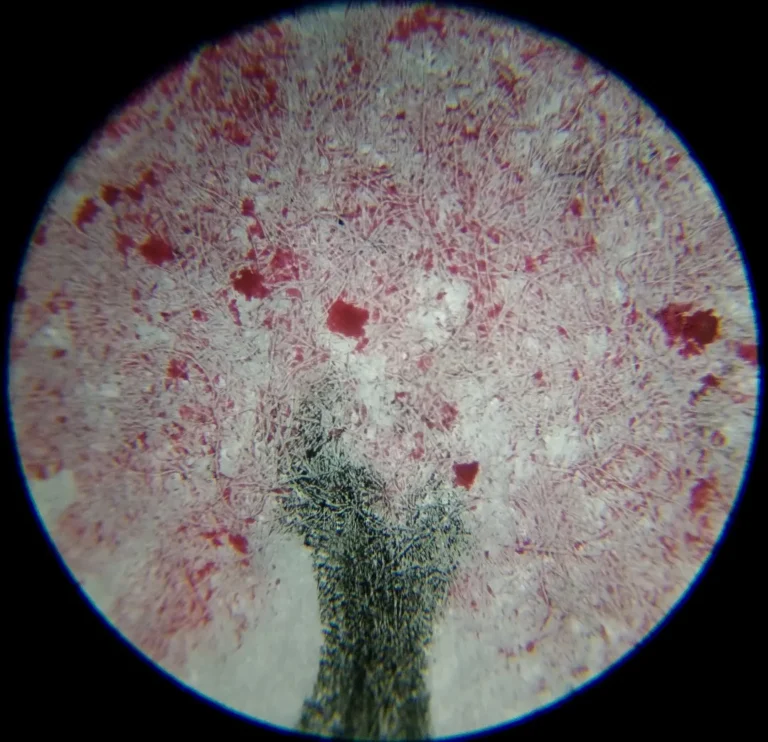
Drawing an image small enough to fit under a microscope is both challenging and rewarding A microscopic tree (about 4 mm by 4 mm) I drew last week as part of a challenge I set myself in this article. I like it; I like how pencil strokes, texture, and color register at this scale. The chaotic patterns of the strokes themselves are complex and throw in a splash of richness to the drawing. The drawing process itself was quite different from the usual procedure, and it was interesting enough that I thought I would walk you through my very first...
Focused and Unfocused: A Beginner’s Comparison of Focus Stacking
My (first) Experience with Focus Stacking for Microscopy Focus stacking is a technique used in photography where multiple images are taken, each focused at a different depth or point in the scene, and digitally combined to create an image with a greater depth of field. It is especially handy in microscopy, since microscopes are notorious for their shallow depth of field. I finally tried focus stacking myself, and I only wish I could’ve done it earlier. Today, I am going to do a systematic review of focus stacking, compare my stacked and unstacked images, and evaluate how effective the technique...
Microscopy DeepDive: Stains
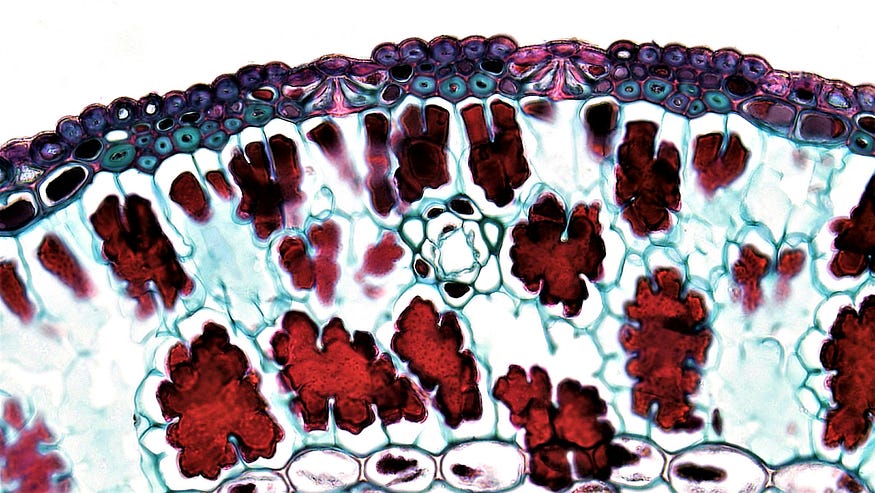
A Brief Overview of the History, Use, and Mechanism of Stains I recently invested in microscopy stains. Some 100 mLs of Lugol’s Iodine and Methylene Blue, nothing too fancy. They got me thinking about microscopy stains as a whole, and, diving into it, they’re fascinating. I want to share some of my findings here. Photo by Fayette Reynolds M.S. from Pexels The first use of a microscopy stain is attributed to Anton Van Leeuwenhock, a ‘largely self-taught’ Dutch scientist who, in 1673, used a dye extracted from a saffron crocus bulb and used it to dye his specimens. Van Leeuwenhock...