Reviewing the Top Microscopy Images of the Month(s)
Another two months gone, another batch of microscopy articles. Some solid candidates this time. I’m at the prime of my life, and times are good. I wonder how I will feel about passing time when one or both of them are no longer true.
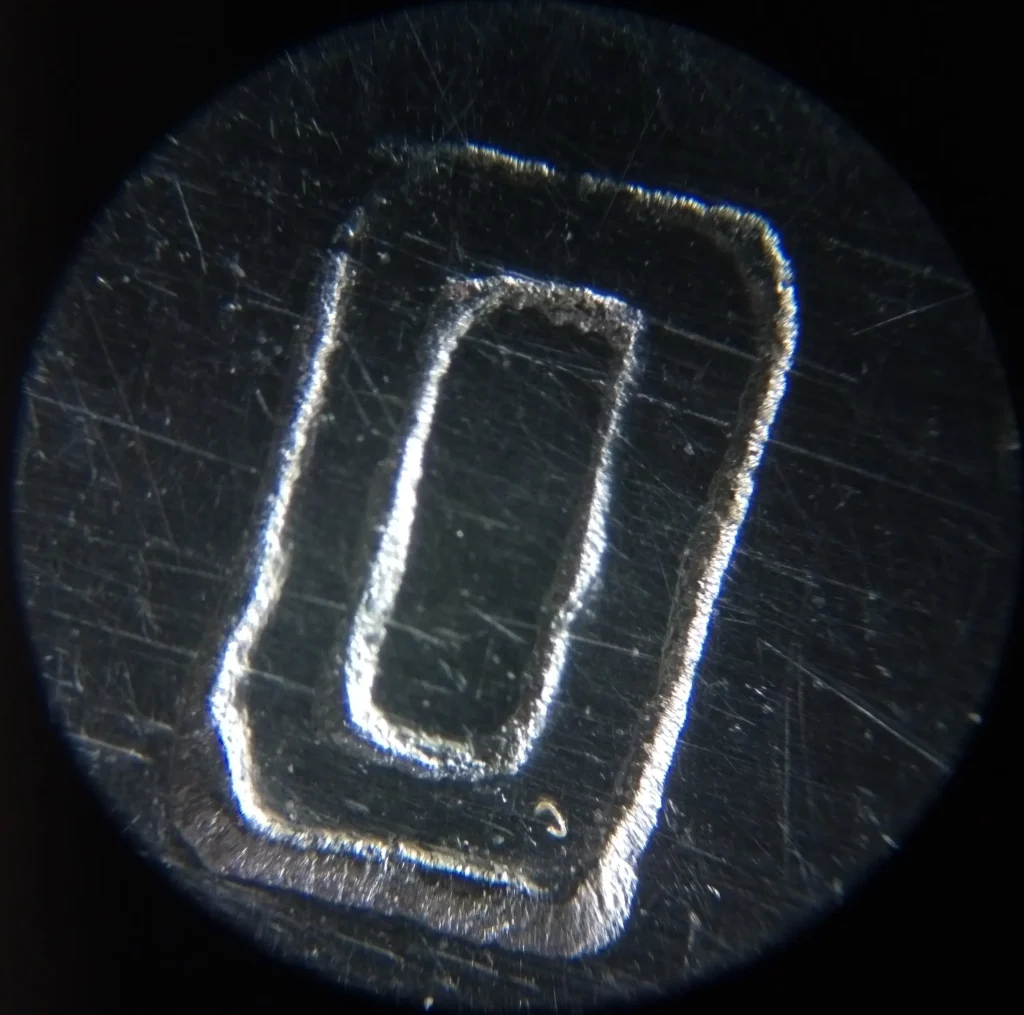
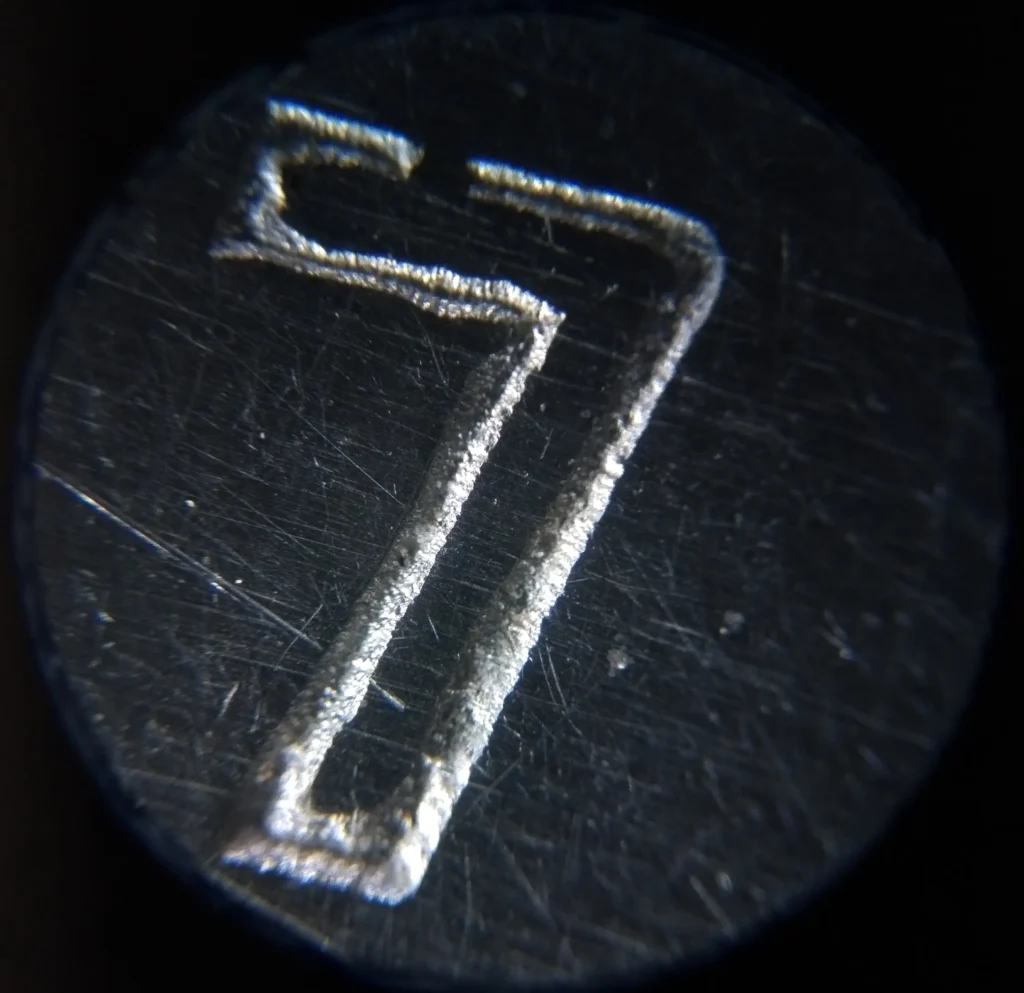
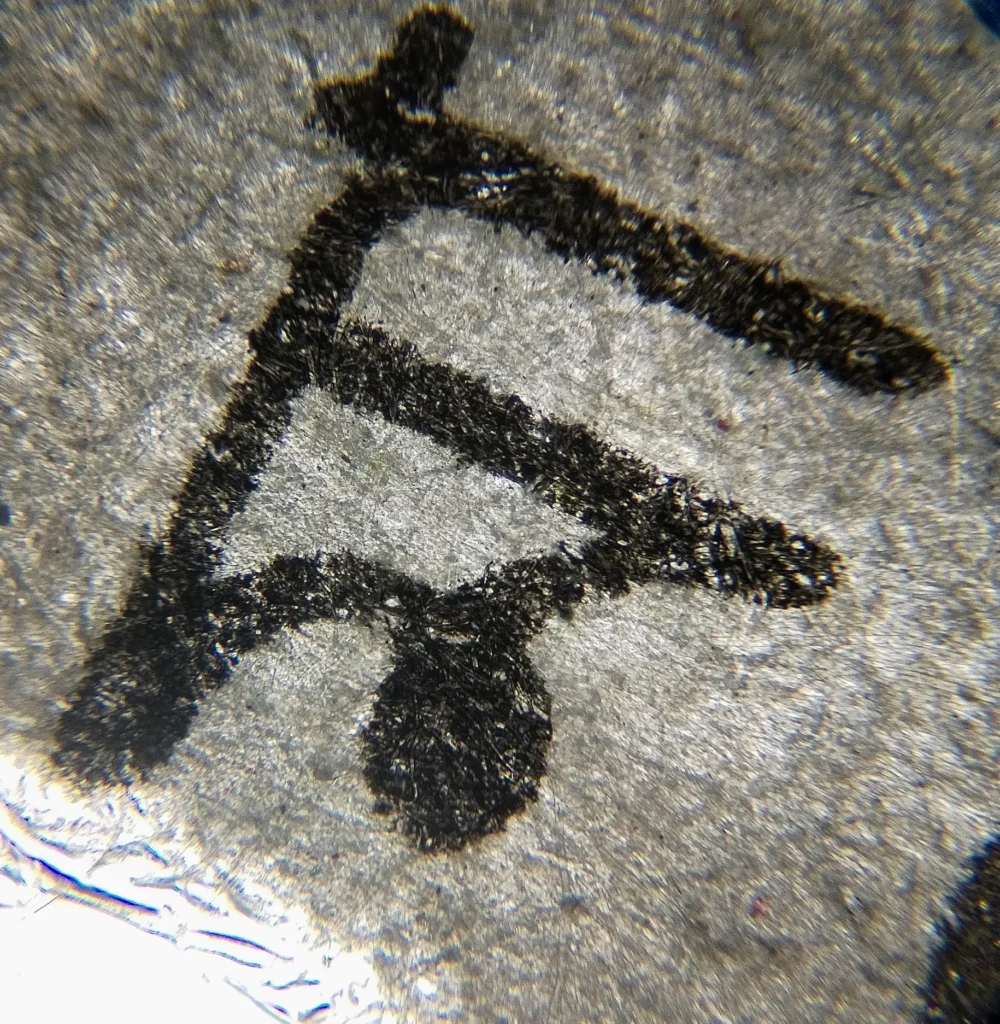
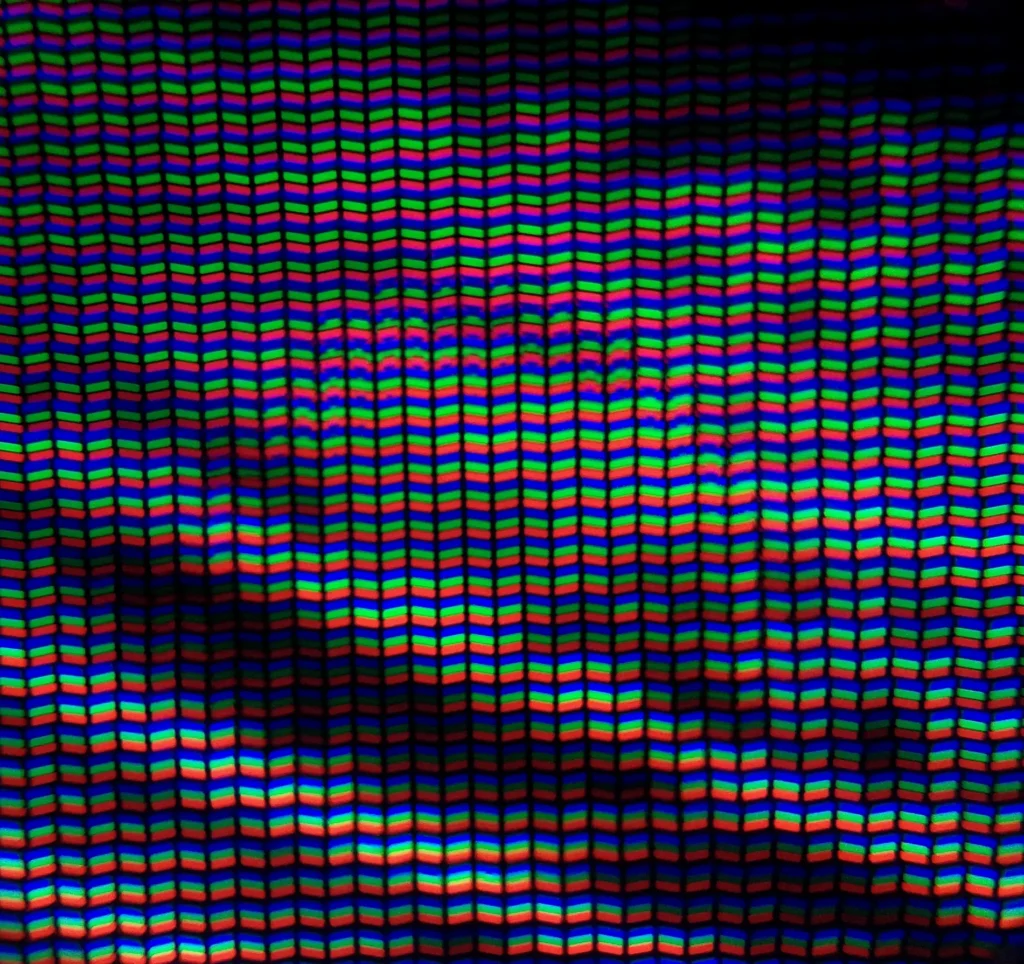
Look at the symmetry and the asymmetry. The ridges, the rough edges, the shiny scratches. Look at how the peaks are more pronounced at the bottom and worn down near the top.Seven. Could be used as a logo. Look at the small bit missing from the top, the background, the double outline. The numbers look so pronounced, yet you would barely feel it if you ran your fingers over them.“Ma” — the Bangla for “Mother”. The best word.Pixels on a phone screen. Multi-colored rectangles. Strange that we spend so much of our lives staring at collections of these.
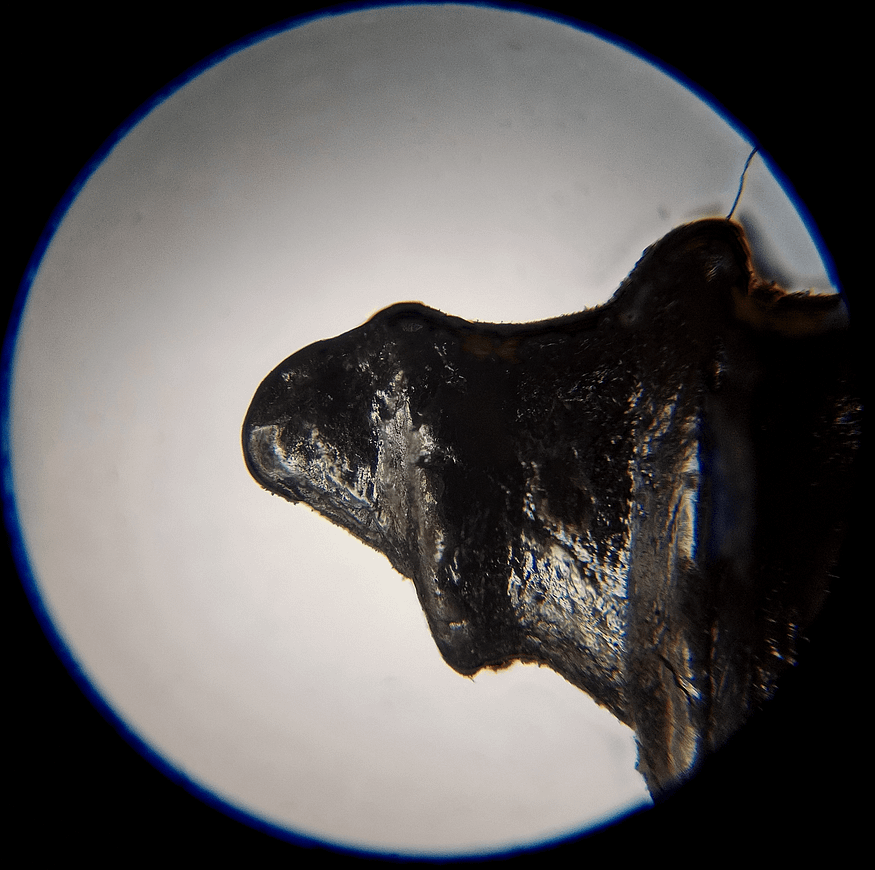
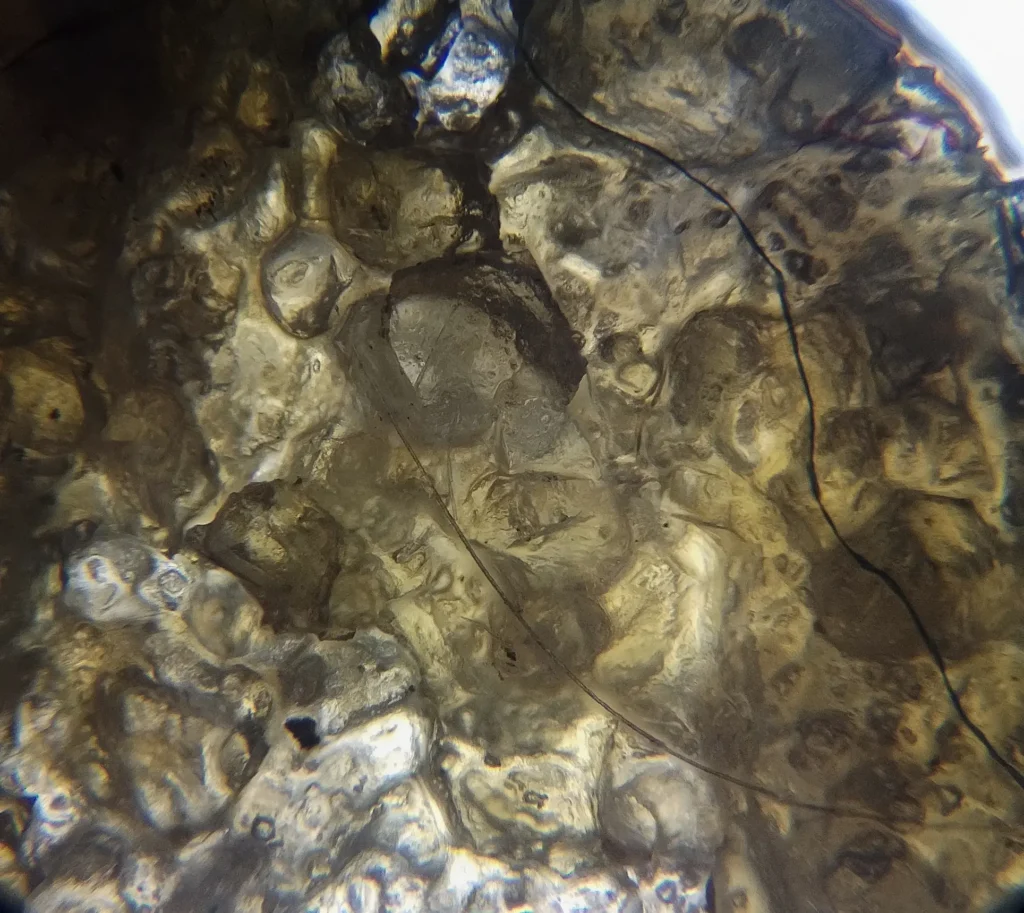
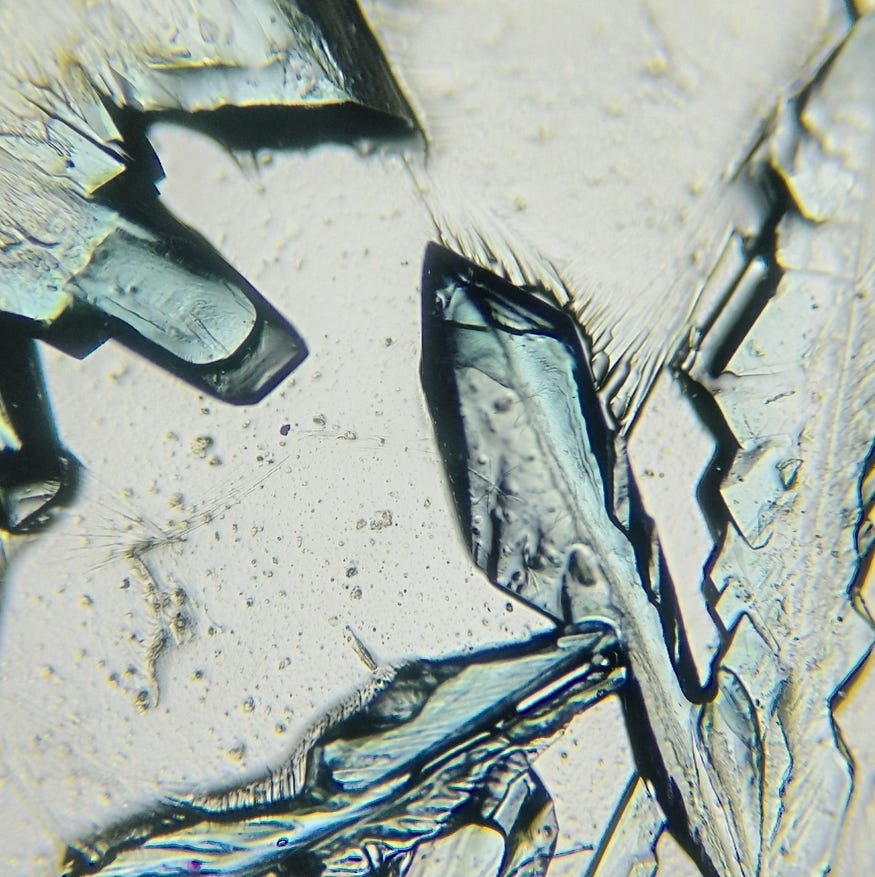
The pointy tip of a generic screw. Looks a lot blunter than real life. Look at the metallic structure, the unevenness, how it has been worn and scratched with time. The light, the shadows, the detail, the small thread at the top.Very chaotic, translucent, and glass-like. Look at all the tiny fragments, like ice-crystals, and the glazed, fuzzy feeling in them all. I have no idea what this is, though.
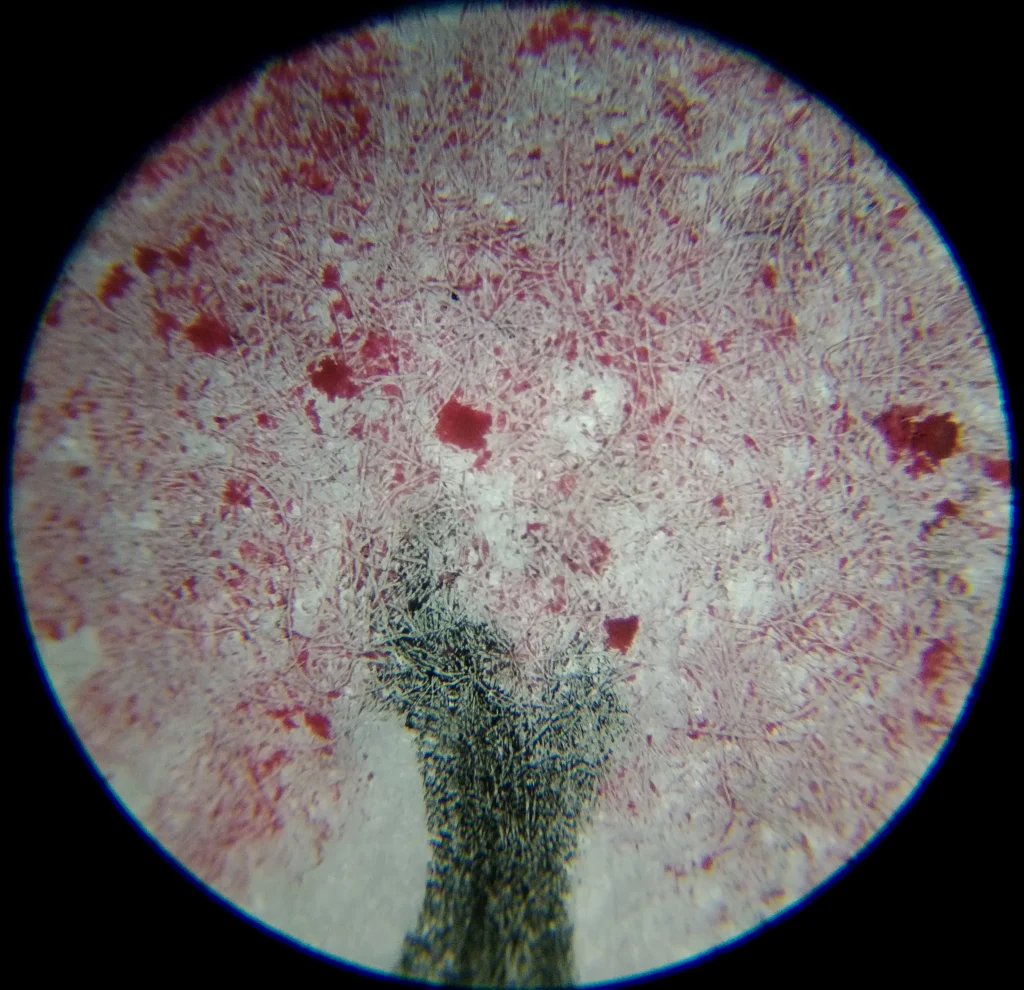
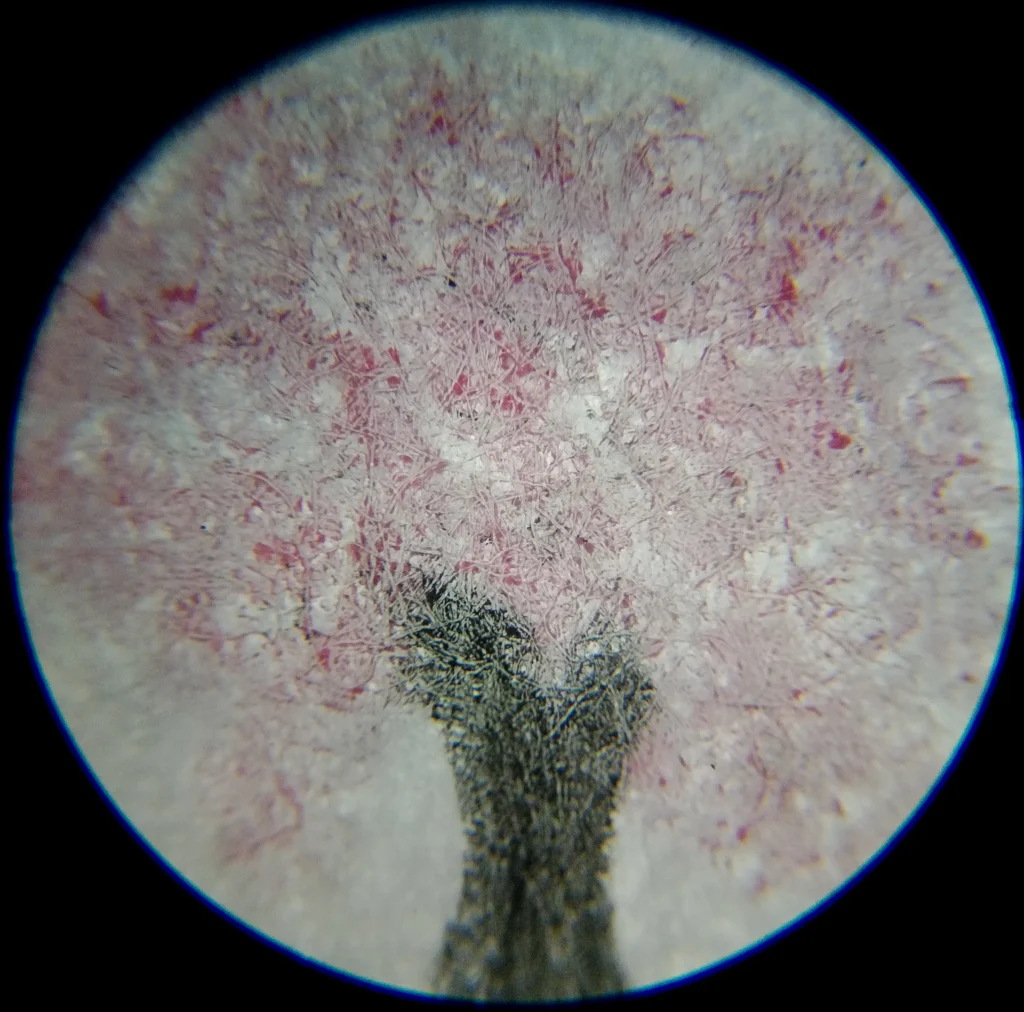
Pink Bonsai, or close enough. I have no drawing skills to talk about, but anything looks good under a microscope. Just look at the texture, how the pencil strokes register at such a small scale, the white lines interspacing the color. I made the leaves by repeatedly dotting the pencil onto the paper, and it created those marks and patterns.
Roots, Root-Squash, and Fungus
I’ve always wanted to observe the classic root tip squash under a microscope, and I finally got the opportunity.
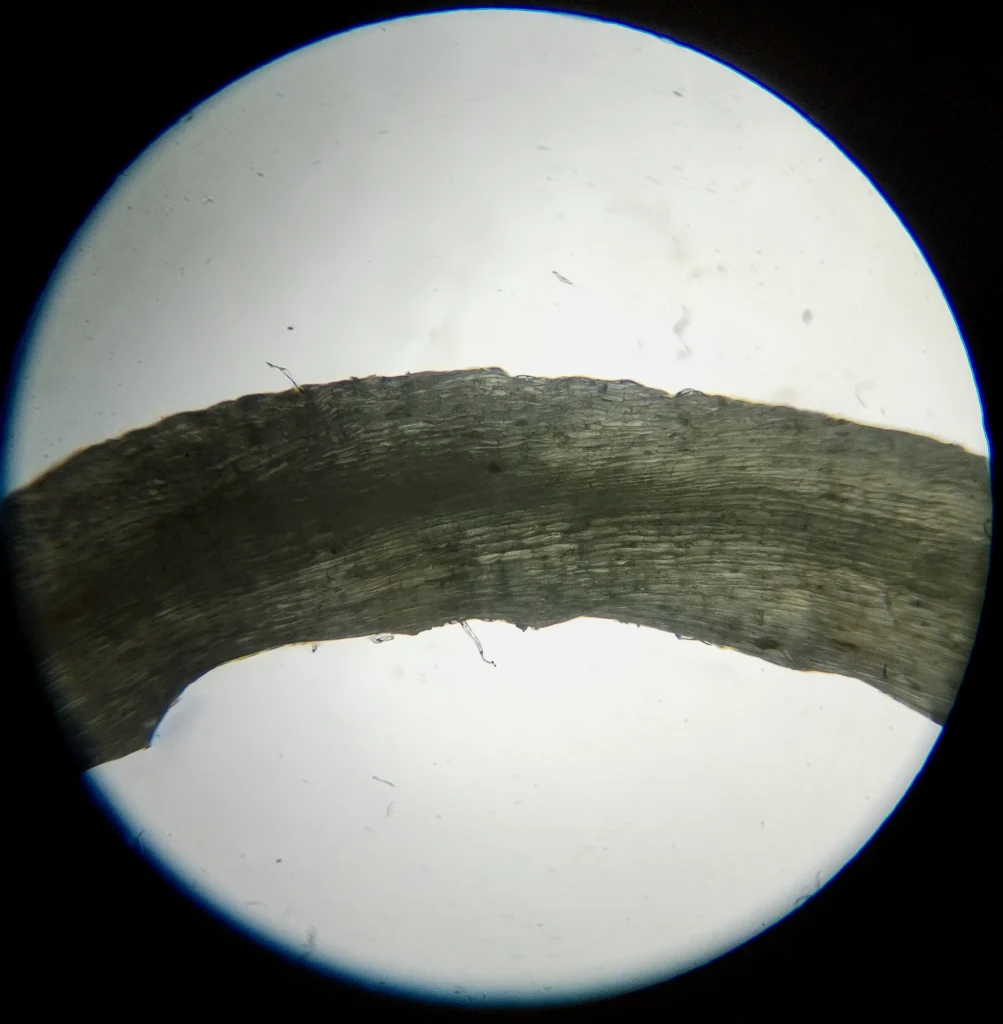
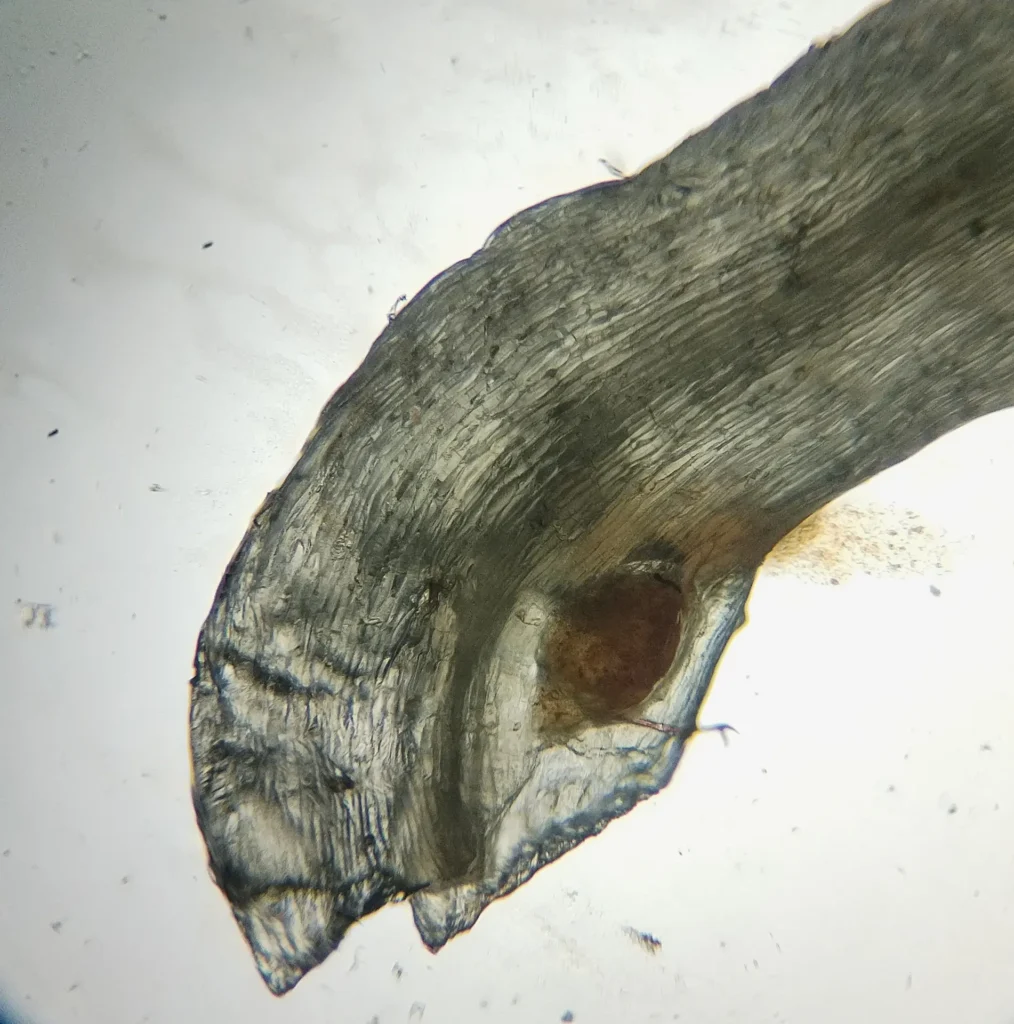
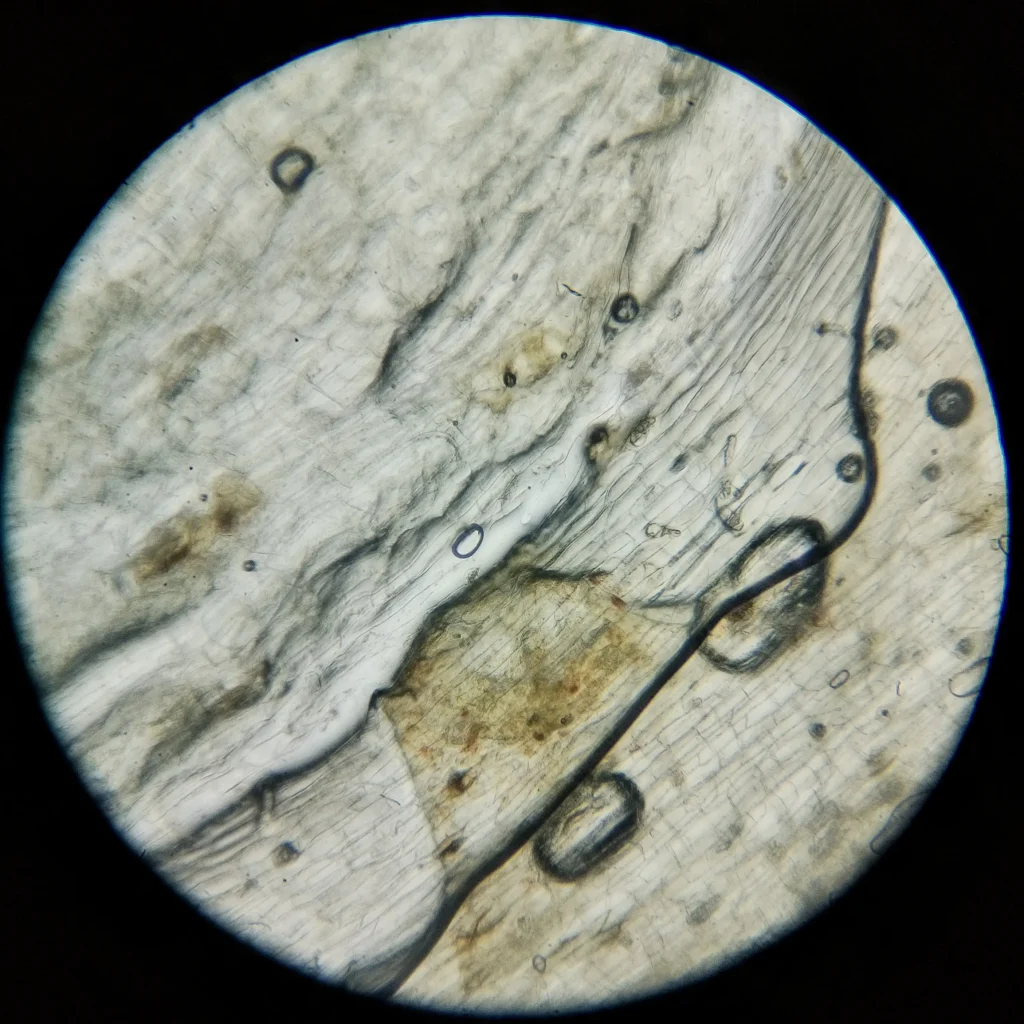
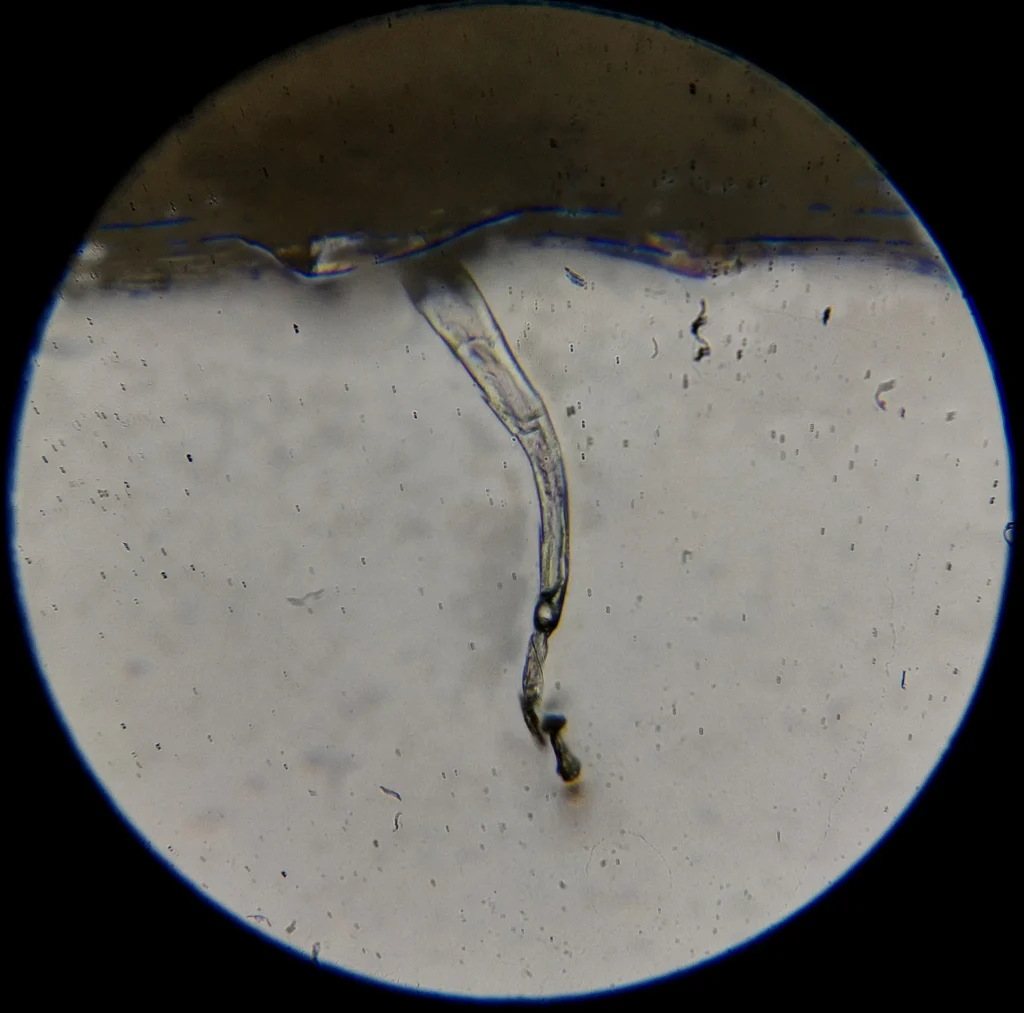
A section of the root. Look at that tiny hair extending downwards near the bottom-middle. Just keep that in mind for now. 40x.End of the root. Translucent. Look at the light filtering through, the differences in thickness, the splash of orange, the texture, the color gradients. The faint outlines of the cells. 40x.A closer look. The moisture bubbles appear bigger. You can see the cells better. Look at the colors, the orange bits, the translucency, the texture. 100xA close-up of the root hair that was pointed out in the first image. A root within the root. Growing outwards, reaching, spreading. At this magnification, the image is noisy, but it just adds to the sense of scale. This is tiny. Very tiny. 400x.
Big Words
I like pushing boundaries. I like taking my limitations and going beyond. It is one of the things that gives me the most joy in the world.
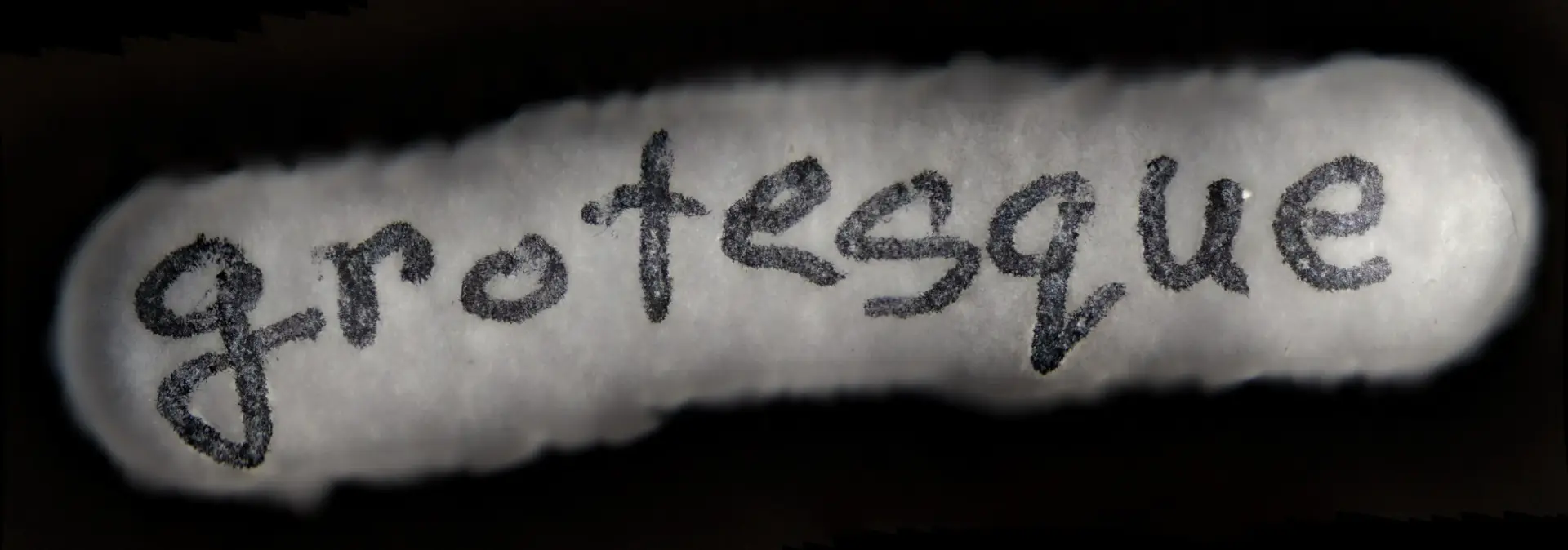
Fortunately, there’s a technique called panoramic stitching, which combines multiple overlapping images to produce a wider, higher-resolution image encompassing the entire subject.
The concept in itself is amazing, but the images are even more so.
This is literally a microscopic image; it was viewed under a microscope, yet there is a sense of immensity. The original image size in PNG was 122 MB, large enough that Krita kept lagging during the editing process. Look at the detail, you can make out the texture of the paper, the cracks in the ink, the slant and curve of my handwriting.What I love about these images is that, with the unaided eye, they are perfectly legible; and under the microscope, you only see a letter, or half of it, but in much greater detail and can appreciate all the subtle intricacies. Here, you can have both. Btw, this word was suggested by my cousin. It’s a good word, though sometimes dark.This word was suggested to me by @Unux-Yaati from a Discord microscopy server. It means, “showing luminous colours that seem to change when seen from different angles”. I like that.
Crystals and Hand-drawn Trees
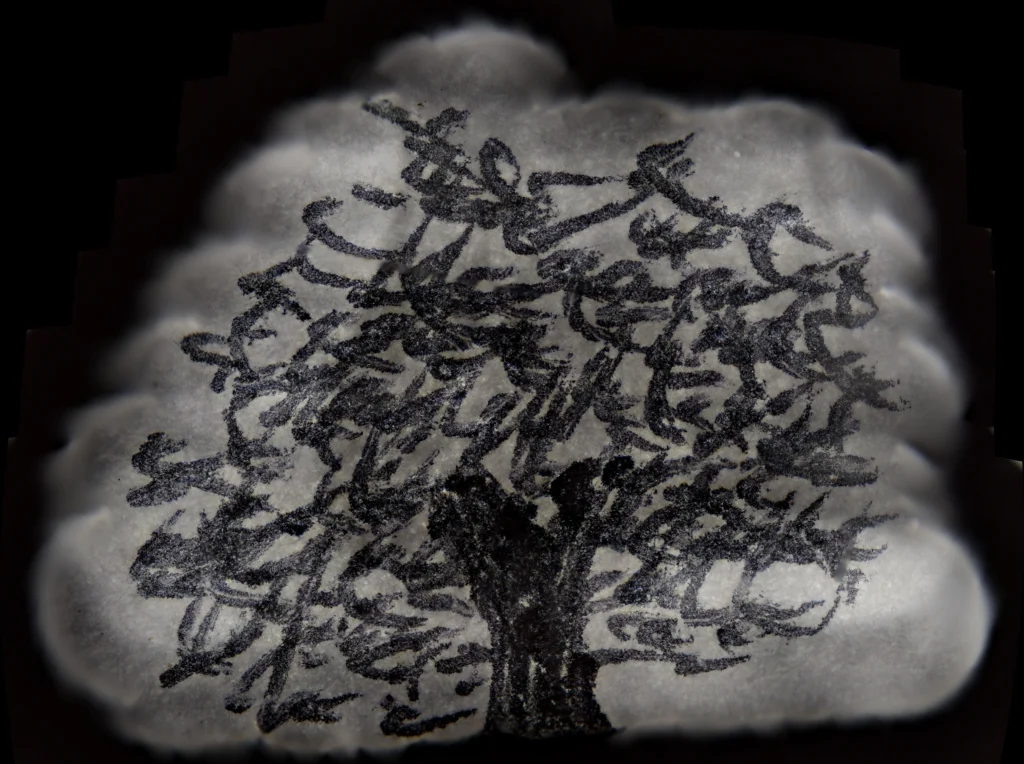
I like art. I like microscopy. It only makes sense to combine the two. I drew a large tree and used panoramic stitching to view it, in its entirety, under a microscope.
I’m proud of this first tree; it turned out pretty well. Drawn with ink on paper.
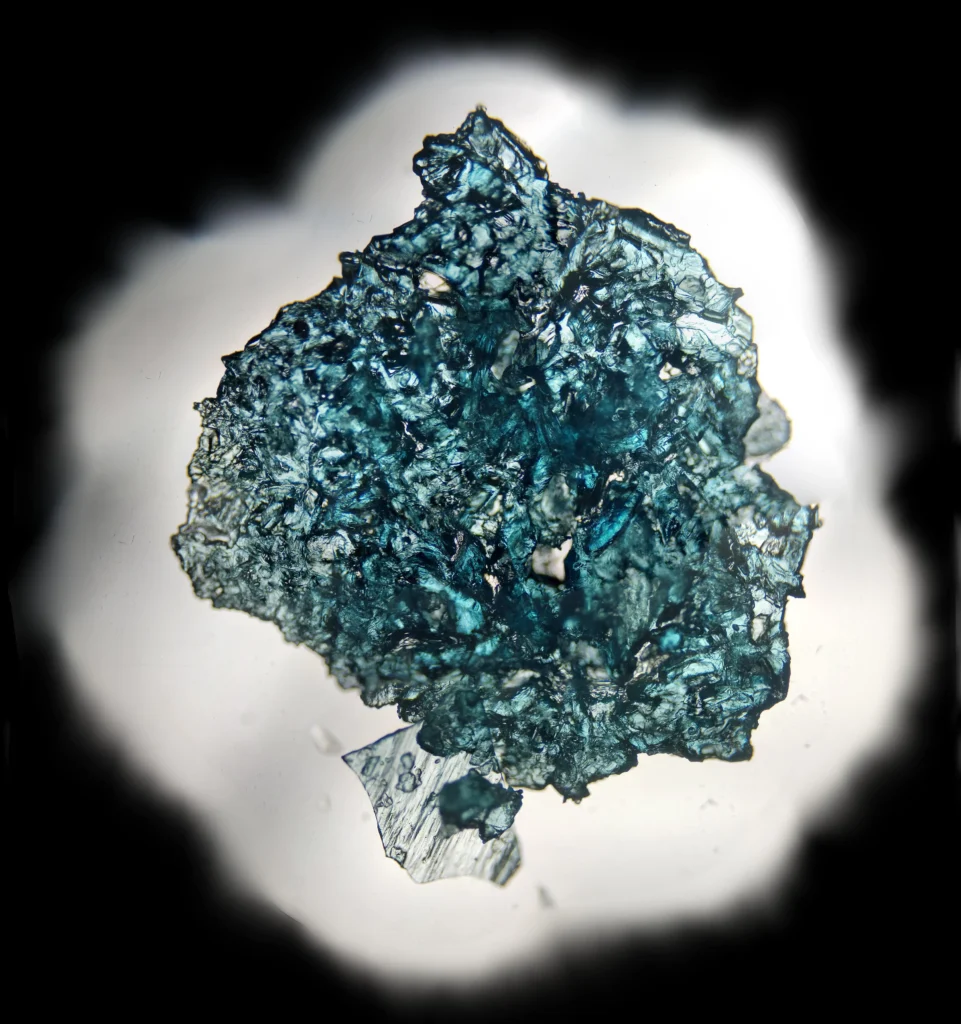
A simple, rudimentary drawing. it’s clear I’m no Van Gogh. Yet look at the brush strokes, the texture, how the painting fades into the black, the details, the cracks and whites between the ink. All characteristics that a are indistinguishable with the bare eye. Many things in the world are beautiful, but they’re not just beautiful; they’re beautiful in different ways at different scales and points of views.Rich, complex, beautiful, and whole. It’s impossible to ingest such intricacy all at once, or maybe at all. Look at all the tiny fragments, each with its own story, look at how they coalesce. The hidden, underlying symmetry of the molecules gives rise to this remarkable asymmetry.
In this article, I go through my process of drawing a microscopic tree for the first time. Navigating such a small space and exploring the color and texture dynamics at such a scale were both valuable learning experiences.
And of course, the amazing Andy Chatman (Thai Microcosmos), with his spectacular video about contractile vesicles. Can’t thank him enough for filling in for me during my A-levels. Go check out his videos, they’re great.
Image of the Month(s)
So many good picks this round. The hand-drawn tree, Andy’s wonderful video, the words, but humans are always vulnerable towards the new and exciting. Panoramic stitching is new and exciting for me, and the Image of the Month has to be the stitched tree. It’s beautiful, sure, but it is also the beginning of a whole new frontier.
All image metadata included in their respective articles.